
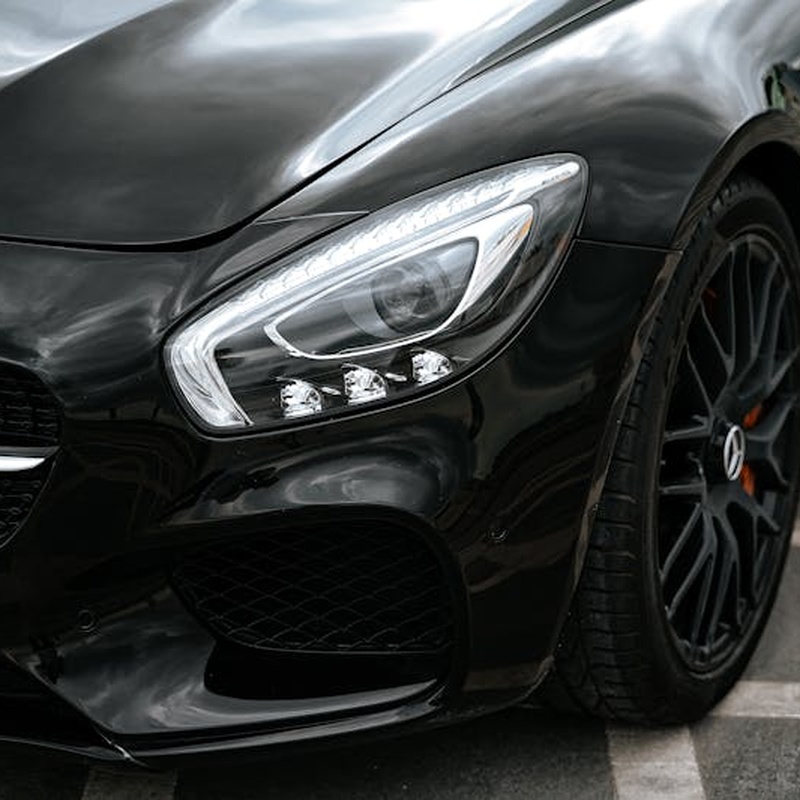
A ceramic coating is one of the best investments you can make in your vehicle — but only if you take care of it. The good news: ceramic maintenance is actually easier than maintaining bare clearcoat, as long as you follow a few simple rules. This guide covers everything you need to know to keep your professional-grade ceramic coating performing at its best, with specific guidance for Lowcountry drivers who deal with salt air, pollen, and summer sun.
The Core Rule: Wash Often, Wash Gently
Ceramic coatings work by creating a hydrophobic, chemical-resistant barrier on top of your clearcoat. Contaminants still land on the surface — the coating just prevents them from bonding. That means the longer you leave dirt, bird droppings, tree sap, or love-bugs on the paint, the more chance they have to etch into the coating itself. Aim to wash your car every 1–2 weeks, and always rinse off visible contamination (bird droppings, splats, bug guts) within 24–48 hours.
How to Wash a Ceramic-Coated Car
- Pre-rinse thoroughly. A pressure washer or hose with a strong nozzle is ideal — you want to blast off as much loose dirt as possible before anything touches the paint.
- Use a pH-neutral, ceramic-safe shampoo. Avoid high-pH dish soaps, degreasers, or any product containing wax, sealant, or silicone.
- Use the two-bucket method. One bucket of soapy water, one bucket of clean rinse water, and a grit guard in each. This keeps debris from recirculating back onto the paint.
- Use a clean, ceramic-safe microfiber wash mitt. Wash top-down, panel by panel, rinsing the mitt between panels.
- Rinse and dry immediately. Never let a ceramic-coated car air-dry — water spots on top of coating can become semi-permanent. Use a clean plush microfiber drying towel or a car-safe blower.
Products to Avoid at All Costs
- Automated tunnel car washes — the brushes scratch the coating.
- Any wash product containing wax or sealant — it layers over the coating and dulls the hydrophobic effect.
- Acidic wheel cleaners — they can strip the coating off wheels.
- Dish soap — high pH strips the sacrificial layer.
- Quick detailer sprays with silicone fillers — they mask issues rather than clean them.
Lowcountry-Specific Ceramic Maintenance
Bluffton, Hilton Head, Savannah, and the surrounding coastal areas put unique pressure on ceramic coatings. Salt air deposits mineral residue on the coating daily — rinse your car with plain water at least once a week if you live within 5 miles of the coast. During spring pollen season, pollen is mildly acidic and needs to be washed off within a few days, not left for weeks. In summer, avoid washing in direct sun — water spots flash-dry on contact.
Maintenance Washes + Top-Ups
Every 3–6 months, book a professional maintenance wash. This includes: full decon, iron removal, a gentle clay if needed, and a topper spray that refreshes the hydrophobic properties. Lux Detailer offers mobile maintenance wash packages that come to your driveway — details on our ceramic coating service page.
Signs It’s Time for a Maintenance Visit
- Water beads are flatter and not sheeting off as quickly
- Surface feels rough (should feel glass-smooth)
- Water spots that won’t wash off with normal shampoo
- Dull spots on the paint in direct light
When Will My Ceramic Coating Need Replacement?
Most professional ceramic coatings last 2–5 years with proper maintenance. A 9H base coat with a specialty ceramic top coat can last 5 to 7 years. If your coating is approaching the end of its expected life or if the signs above persist after a maintenance wash, schedule an evaluation. Many coatings can be refreshed with a top-up rather than a full re-coat, saving significant cost. Compare the three protection packages on our paint protection page.
Ready to Book Ceramic Coating or Maintenance?
Lux Detailer is the Lowcountry’s top-rated mobile ceramic coating installer — we come to your driveway from Bluffton to Savannah. Book a free quote here or call us at (843) 683-2819.
Mobile detailing across the Lowcountry. We come to your driveway in Bluffton, Hilton Head, Beaufort, Savannah, Pooler and Richmond Hill.